

Why Knee Pain Is Becoming So Common Today (And What You Can Do About It)
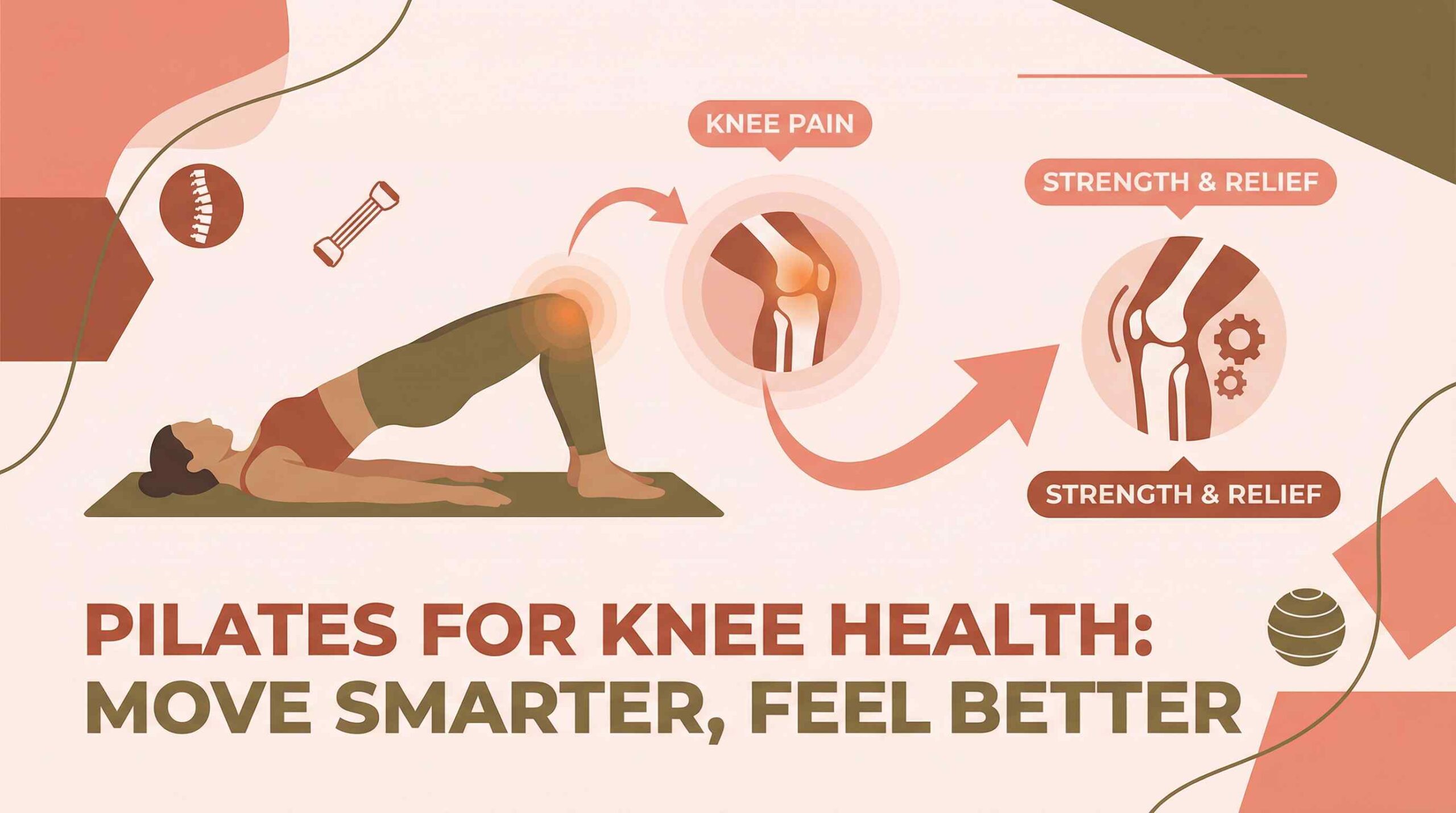
Knee pain is increasingly common in today’s world, affecting not only athletes and older adults, but also people in their 20s, 30s, and 40s. Many experience knee discomfort without a specific injury, often during everyday activities such as walking, climbing stairs, squatting, or exercising.
So why is knee pain so prevalent now? The answer lies in modern lifestyle habits, movement patterns, and how the body is trained—or not trained—to support the knee joint.
1- Sedentary lifestyles weaken knee support
One of the biggest contributors to knee pain today is prolonged sitting. Desk jobs, long commutes, and screen-based lifestyles keep the knees in a constantly bent position, reducing joint lubrication and weakening the muscles that stabilize the knee.
When these muscles—particularly the quadriceps, hamstrings, and glutes—are underactive, the knee joint absorbs more stress during movement, increasing the risk of pain and injury.
2. Hip weakness increases knee strain
The knee is a hinge joint designed for flexion and extension, not for managing excessive rotation or instability. Weak hips and glute muscles force the knee to compensate during walking, running, or exercise.
This compensation often leads to:
- Knee pain when squatting or lunging
- Pain going up or down stairs
- Knee alignment issues during movement
In many cases, knee pain is a symptom of poor hip strength and control rather than damage within the knee itself.
3. Poor movement mechanics during exercise
While many people exercise regularly, fewer focus on movement quality. Repetitive training with poor alignment—such as knees collapsing inward or improper load distribution—places excessive stress on knee joints over time.
High-intensity workouts without proper strength and mobility foundations can accelerate knee pain, especially when recovery is insufficient.
4. Repetitive impact and overuse
Activities such as running, jumping, and high-impact sports can be beneficial, but repetitive impact without adequate muscle support increases stress on the knee joint.
Without strong hips, core stability, and balanced leg strength, the knee becomes vulnerable to overuse injuries such as tendon irritation and joint degeneration.
5. Limited ankle and hip mobility
Knee pain often originates from restricted movement elsewhere in the body. Limited ankle mobility, stiff hips, or reduced spinal movement alter walking and squatting mechanics, forcing the knee to compensate.
This compensatory movement increases joint stress and can lead to chronic knee discomfort over time.
6. Footwear and everyday movement habits
Footwear plays a significant role in knee health. High heels, overly cushioned trainers, or unsupportive shoes can alter alignment and increase load through the knees.
Daily habits such as poor standing posture, uneven weight distribution, or improper stair climbing also contribute to cumulative knee strain.
7. Aging without maintaining strength and mobility
As we age, muscle mass, bone density, and joint mobility naturally decline—unless actively maintained. The knee, being a primary weight-bearing joint, often becomes the first area to experience pain when strength and mobility are lacking.
How Pilates supports knee health
Strengthens the muscles that support the knee joint
Improves hip and ankle mobility
Enhances alignment and movement efficiency
Reduces joint stress while building resilience
By addressing the whole body rather than isolated symptoms, Pilates helps protect the knees for daily life, sport, and aging well.