
Why Pilates Is Considered a Corrective and Therapeutic Movement Method
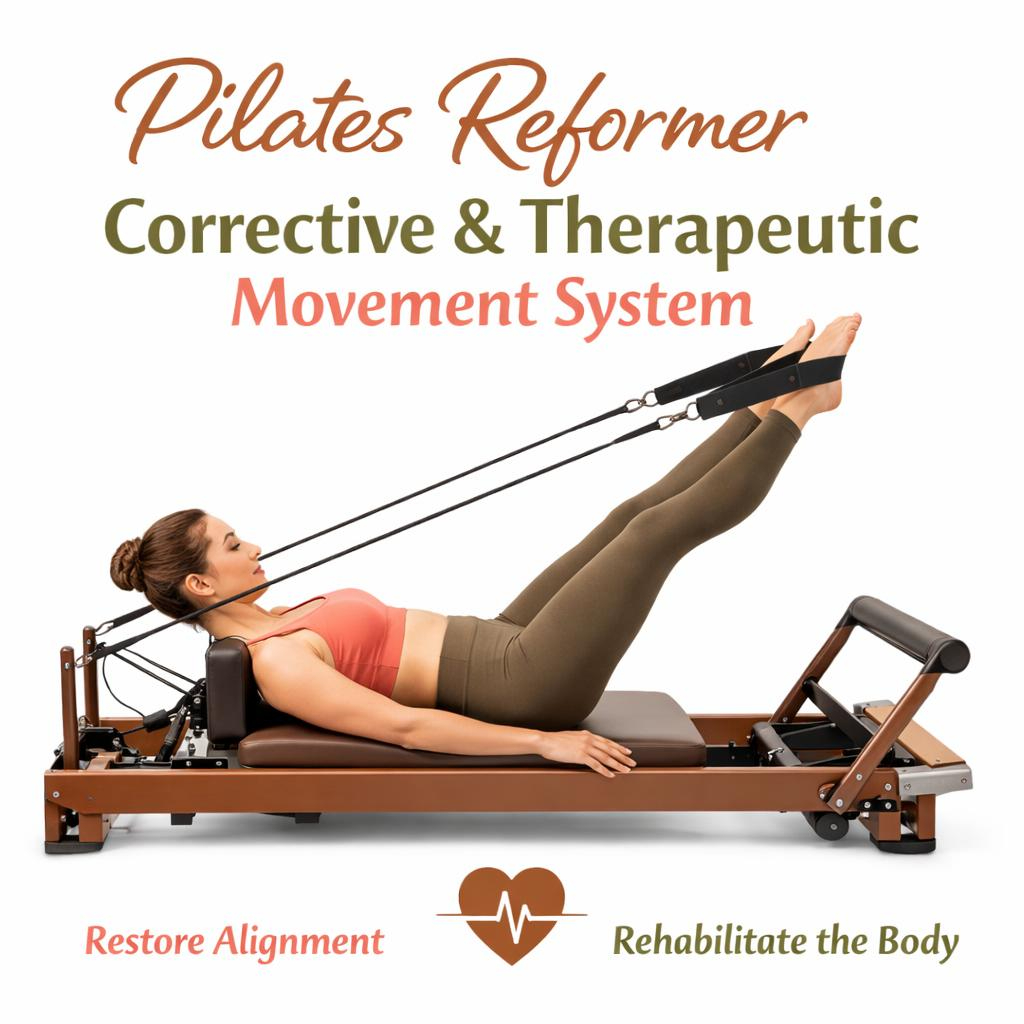
Pilates is widely recognised as a corrective and therapeutic movement system, often recommended for rehabilitation, injury prevention, and long-term movement health.
Unlike traditional fitness workouts that focus on intensity or repetition, Pilates prioritises how the body moves — making it particularly effective for people recovering from injury, managing pain, or rebuilding strength safely.
Pilates Supports Rehabilitation by Improving Movement Quality
In rehabilitation, the goal isn’t just to strengthen muscles — it’s to restore proper movement patterns.
Therapeutic Pilates helps:
- correct muscle imbalances
- improve joint alignment
- reduce compensations that cause pain
- retrain the nervous system
This makes Pilates an ideal complement to physiotherapy and post-rehab programs, allowing clients to move safely while rebuilding confidence and function.
A Low-Impact, Joint-Friendly Approach to Strength
One of the reasons Pilates is often used in therapeutic settings is its low-impact nature.
Using controlled resistance, breath, and precision, Pilates:
- strengthens muscles without overloading joints
- supports spinal health and posture
- improves stability and mobility simultaneously
This is especially beneficial for individuals with back pain, joint issues, post-surgical recovery, or chronic conditions.
Why Pilates Is Used as Corrective Movement
Corrective movement focuses on restoring balance, alignment, and efficiency in the body.
Pilates is considered corrective because it:
- targets deep stabilising muscles
- improves posture and body awareness
- promotes controlled, functional movement
- reduces injury risk and recurring pain
Rather than pushing through discomfort, Pilates teaches the body to move better — both inside and outside the studio.
Therapeutic Pilates for Long-Term Movement Health
Pilates doesn’t just help people recover — it helps them stay well.
Through improved posture, core support, and movement awareness, therapeutic Pilates supports:
- injury prevention
- long-term joint health
- functional strength
- sustainable mobility
This is why Pilates is often recommended by healthcare professionals and embraced by clients seeking a safe, effective rehabilitation-focused movement practice.